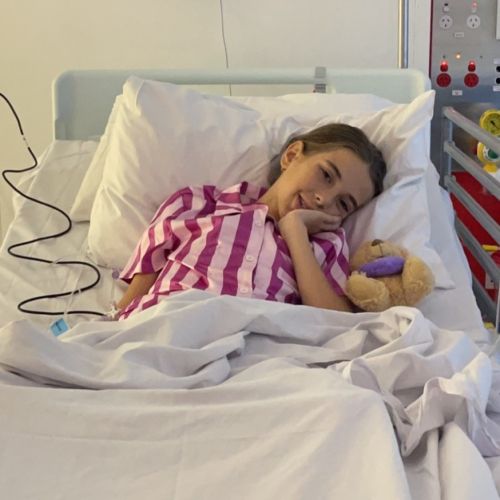
Amira, now two-years-old, is bright, full of life and always ready with a little performance. She loves music, ballet, baking with her mum and has her dad completely wrapped around her finger.
“She’s always thinking of everyone and worries about her family … she’s very thoughtful,” explains Rebecca, Amira’s mum.
But throughout Amira’s first year, it was Rebecca who couldn’t shake her worry of her own. Even as her little girl’s joyful spirit shone through, a mother’s instinct told her something wasn’t right.
From six weeks old, feeding became a struggle. Amira would scream at the sight of a bottle, her weight gain slowed, and Rebecca spent months tracking every feed, every wet nappy and every small sign that might explain what was happening.
“Everyone was giving me really practical advice and suggestions, but both Stephen and I couldn’t shake the feeling that there was something more going on with her.”
As Amira grew, the concerns continued. She frequently became unwell, struggled with food and, at 11 months old, began having frightening vomiting episodes.
“She looked like she was floppy, unconscious. The colour would completely run from her face. She’d be pretty much non-responsive,” added Rebecca.
The episodes quickly escalated from every fortnight to every few days. At the same time, Stephen was recovering from two major surgeries following a serious football injury, while Rebecca was heavily pregnant with their second daughter.
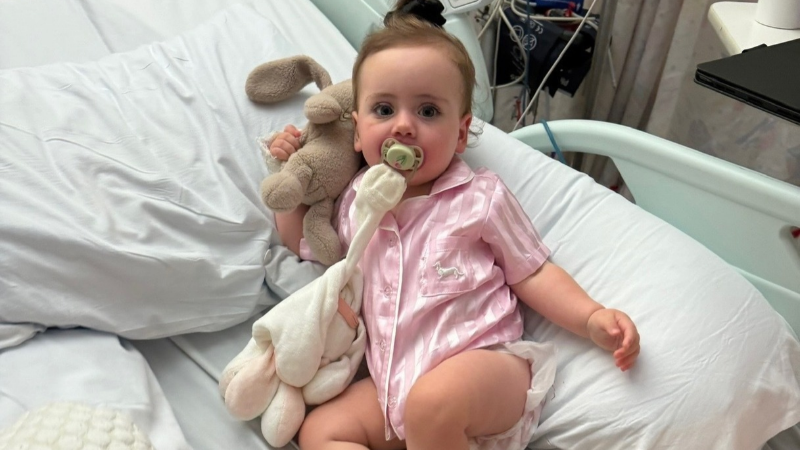
More in-depth testing finally revealed the cause. Amira had malrotation, a serious condition where the bowel twists and can cut off its blood supply, quickly becoming life-threatening. She needed urgent surgery at The Children’s Hospital at Westmead.
“Receiving the diagnosis was both a relief and a shock in the same moment. Looking at her, you would have seen a perfectly normal one-year-old—she was meeting her milestones, smiling, and, despite the episodes, she seemed okay.”
For Rebecca and Stephen, the experience was overwhelming. But from the specialists who acted quickly to the clinicians who supported them through surgery and recovery, their family felt surrounded by expert and compassionate care.
After five nights in hospital following her open laparotomy and Ladd’s procedure, bringing Amira home was daunting. It took around six weeks for her strength – and her bright personality – to return. Her care team continued to support the family with a clear recovery plan and ongoing follow-up.
Today, Amira is thriving. As her family shares their story with us, they hope other children and families can experience the same life-changing care.
Their experience is a reminder of what your support helps makes possible: the skilled people, specialised care, equipment and hospital environments that give sick children the best chance to recover and return to simply being kids.