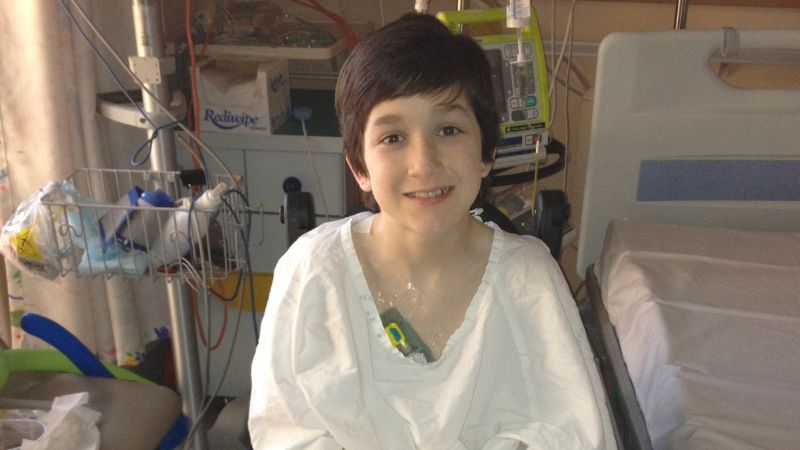
Diagnosed with cerebral palsy as a baby, Darcy received expert care at the Gait Lab. Now 24, he’s studying medicine and walking over 20,000 steps a day. lives with complex medical needs.
When Darcy was just a baby, his parents knew something wasn’t quite right. He wasn’t meeting key developmental milestones, and simple movements seemed difficult and painful. By the age of one, he was diagnosed with cerebral palsy.
Today, Darcy is 24 and studying medicine. Looking back, he recalls the constant physical challenges he faced growing up. Tight muscles, fatigue, and limited mobility made everyday activities harder, from playing with friends to participating at school.
“A huge part of childhood is physical,” Darcy says. “And I wasn’t able to engage with that in the same way.”
From an early age, Darcy was cared for within the Sydney Children’s Hospitals Network (SCHN), where one service would play a defining role in his journey: the Gait Lab at The Children’s Hospital at Westmead (CHW).
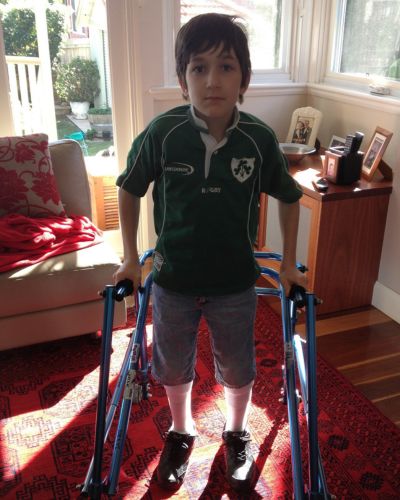
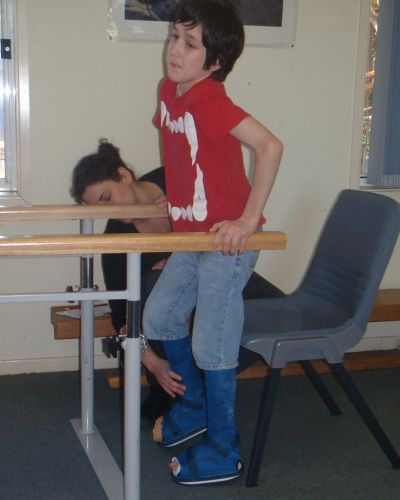
Finding answers through Gait Lab's advanced analysis
The Gait Lab is a highly specialised service that uses advanced motion capture technology to analyse how children move. By placing small markers on a child’s body and tracking their movement in real time, clinicians can build a detailed, data-driven picture of their gait.
“It gives us precision medicine,” explains clinical biomechanist and Gait Lab Director, Dr Leanne Dwan. “We can provide data-driven evidence to guide surgical decision-making and tailor treatment to each individual child.”
For Darcy, this level of insight was life-changing. Detailed gait assessments before and after neurosurgery, orthopaedic procedures, and throughout years of physiotherapy helped his care team understand what was working and where to focus next.
“It gave them a clear, quantitative benchmark,” Darcy says. “They could see how I was improving over time and what areas needed more attention.”
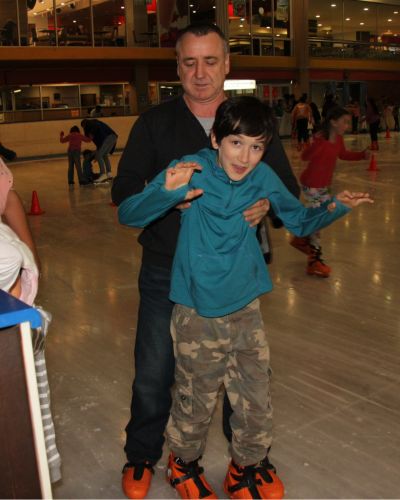

How can data-driven care deliver real impact?
Today, the difference is extraordinary. Darcy is now more active than he’s ever been, completing clinical placements overseas and walking more than 20,000 steps a day without limitation.
“I’m incredibly grateful,” he says. “Without that care, I would have been in a wheelchair.”
How does your support help?
Donor support to Sydney Children’s Hospitals Foundation (SCHF) helps fund essential equipment and technology across SCHN, including services like the Gait Lab, giving clinicians the tools to deliver more precise, data-driven care.
Donate to the Sydney Sick Kids Appeal today and help fund vital research and clinical trials, so more children like Darcy can access the best possible care, and a future full of possibility.