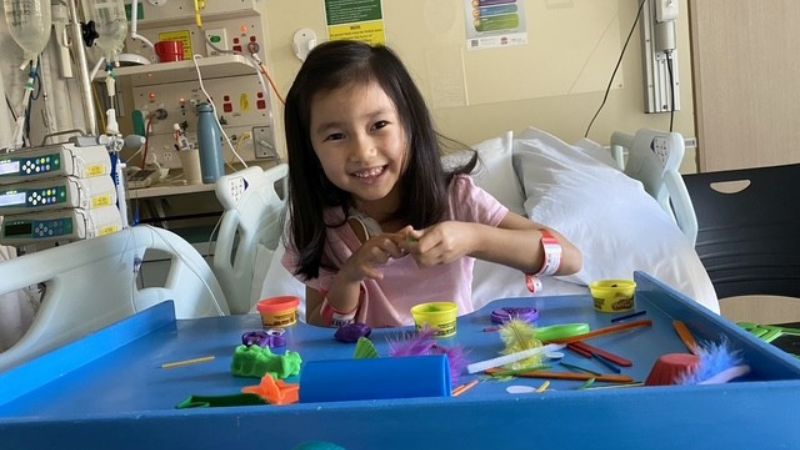
After a stage 4 cancer diagnosis at six, Elise accessed life-saving treatment through clinical trials. Now 10, she’s thriving- thanks to research and care.
Just after her sixth birthday, Elise had a fall at home. At first, nothing seemed unusual. But days later, when she refused to walk, her mum, Hop, knew something wasn’t right.
An X-ray revealed an uncommon fracture in her leg. Further tests at The Children’s Hospital at Westmead uncovered something no parent ever expects to hear.
Elise had stage 4 neuroblastoma, and the cancer had spread throughout her body.
“Cancer was never something that crossed our mind,” Hop says.
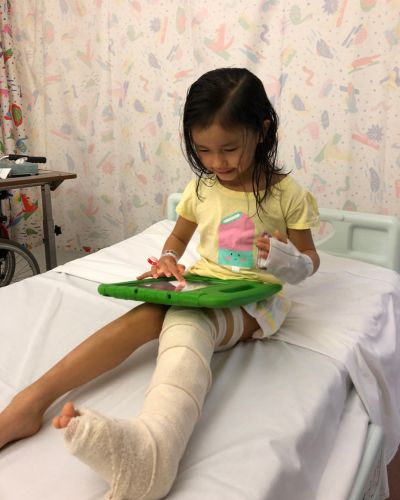
An intense road to recovery
Within weeks, Elise began an 18-month treatment plan - chemotherapy, surgery, two stem cell transplants, radiation, and immunotherapy.
Much of it took place during COVID, when hospital restrictions meant Hop and Elise were separated from her dad and two older sisters for long stretches of time.
“It was just me and Elise in hospital,” Hop recalls. “But we had so much support.”
Behind every step of Elise’s treatment was a dedicated care team- oncologists, nurses, physiotherapists, teachers, music therapists, and child life therapists- all working together to support her and her family.
What is the role of research in cancer treatment?
Woven throughout Elise’s care was something many families don’t see: research.
Because her cancer was aggressive and high-risk, Elise’s doctors offered her the opportunity to participate in multiple clinical trials through Kids Research, the research arm of the Sydney Children’s Hospitals Network.
“Anything that would help her - I signed up for it,” Hop says.
For families facing a life-threatening diagnosis, clinical trials represent hope for a better outcome.
“For families facing a diagnosis they never expected, clinical trials represent progress, structure, and possibility,” says Dr Bhavna Padhye, Staff Specialist Paediatric Oncologist.
“Almost every improvement in survival - and importantly in reducing long-term toxicity - has come through cooperative clinical trials, made possible by families who said yes to research at one of the most difficult times of their lives,” she says.

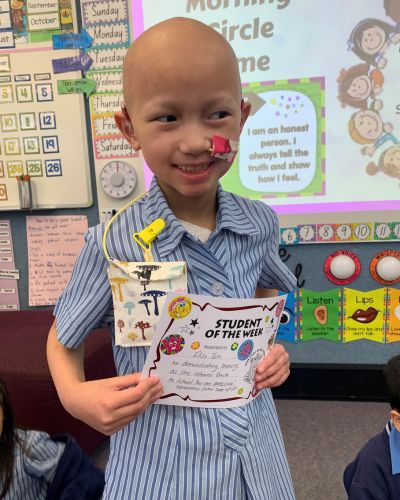
A future made possible
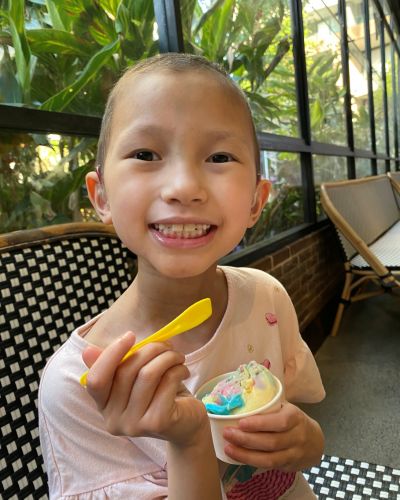
Today, Elise is 10 and thriving - proudly calling herself “a cancer survivor.”
“With neuroblastoma, the prognosis is getting better as time goes by because of all these trials,” Hop says. “Without research, we probably wouldn’t have that.”
She’s back at school, travelling with her family, and always planning her next holiday before the current one has even finished.
How does your support help?
Breakthroughs in childhood cancer care don’t happen by chance—they are driven by clinical expertise and sustained investment in research.
“Philanthropy helps bridge that gap,” Dr Padhye says. “It allows us to open more trials, open them faster, and ensure families in NSW and across Australia have access to the same innovations as children anywhere in the world.”
Donate to the Sydney Sick Kids Appeal today and help fund vital research and clinical trials, so more children like Elise can access the best possible care, and a future full of possibility.