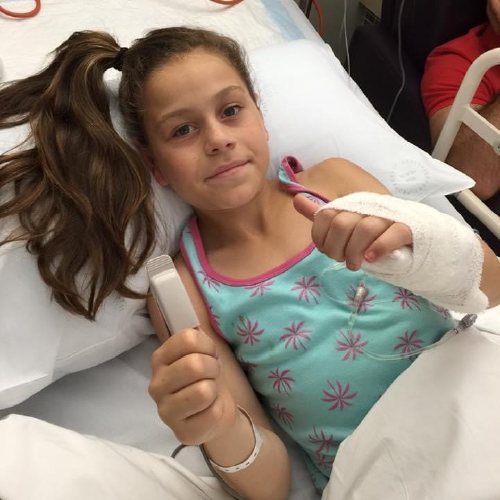
When Khyla was seven, her parents knew something wasn’t right. She was tired all the time, her fingers were constantly swollen, and she struggled to do the simple things she’d always done on her own.
At first, doctors suspected arthritis or an autoimmune condition, but within weeks their world changed forever: Khyla was diagnosed with acute myeloid leukaemia - an aggressive blood cancer that begins in the bone marrow and affects how the body produces healthy blood cells.
For the next five months, Sydney Children’s Hospital, Randwick (SCH) became home.
Despite the intensity of treatment, Khyla remained the same bright, gentle soul her family knew so well - smiling at doctors and nurses after the hardest nights, checking in on other kids on the ward, and worrying about everyone else, even when she was scared.
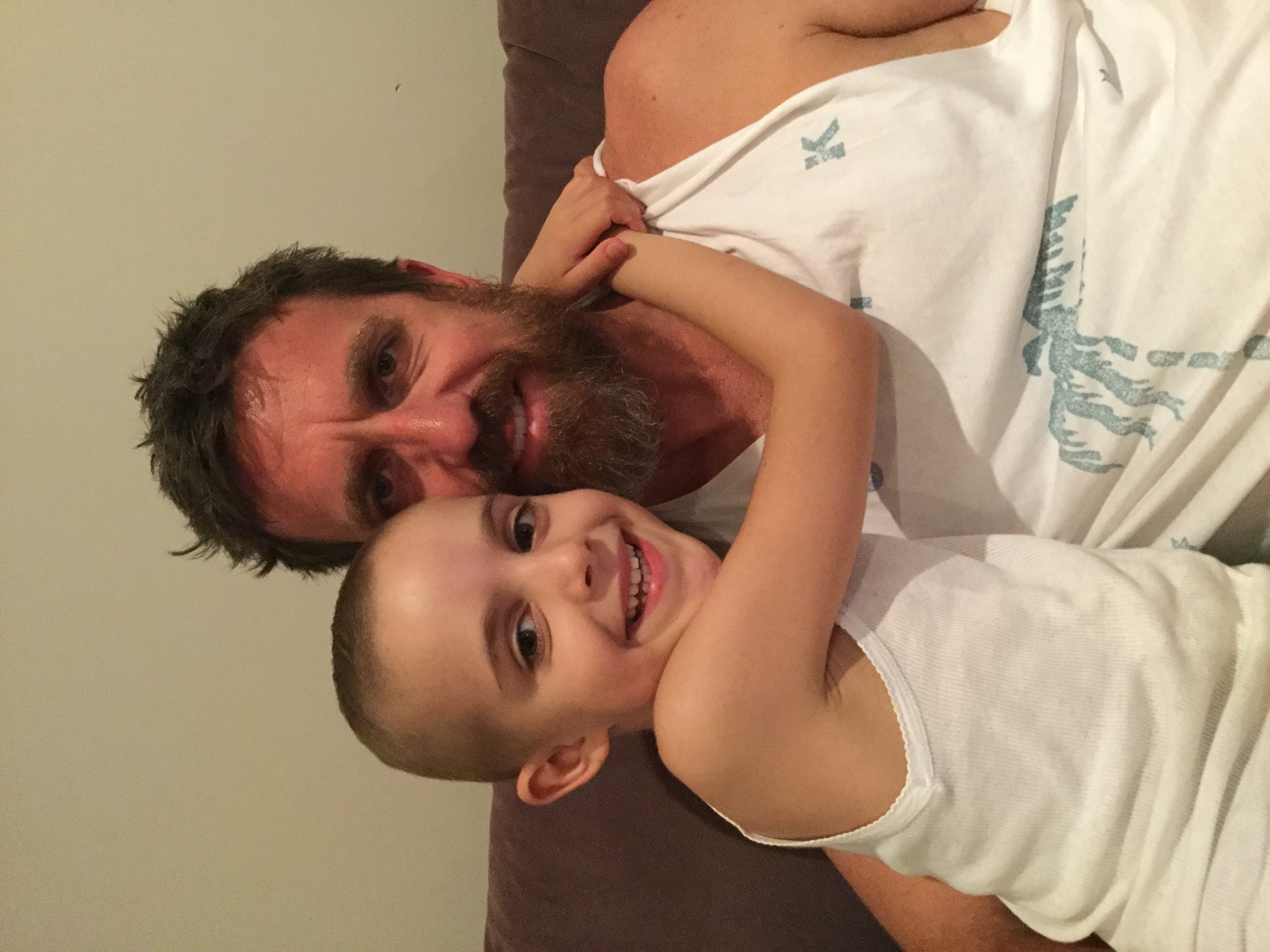
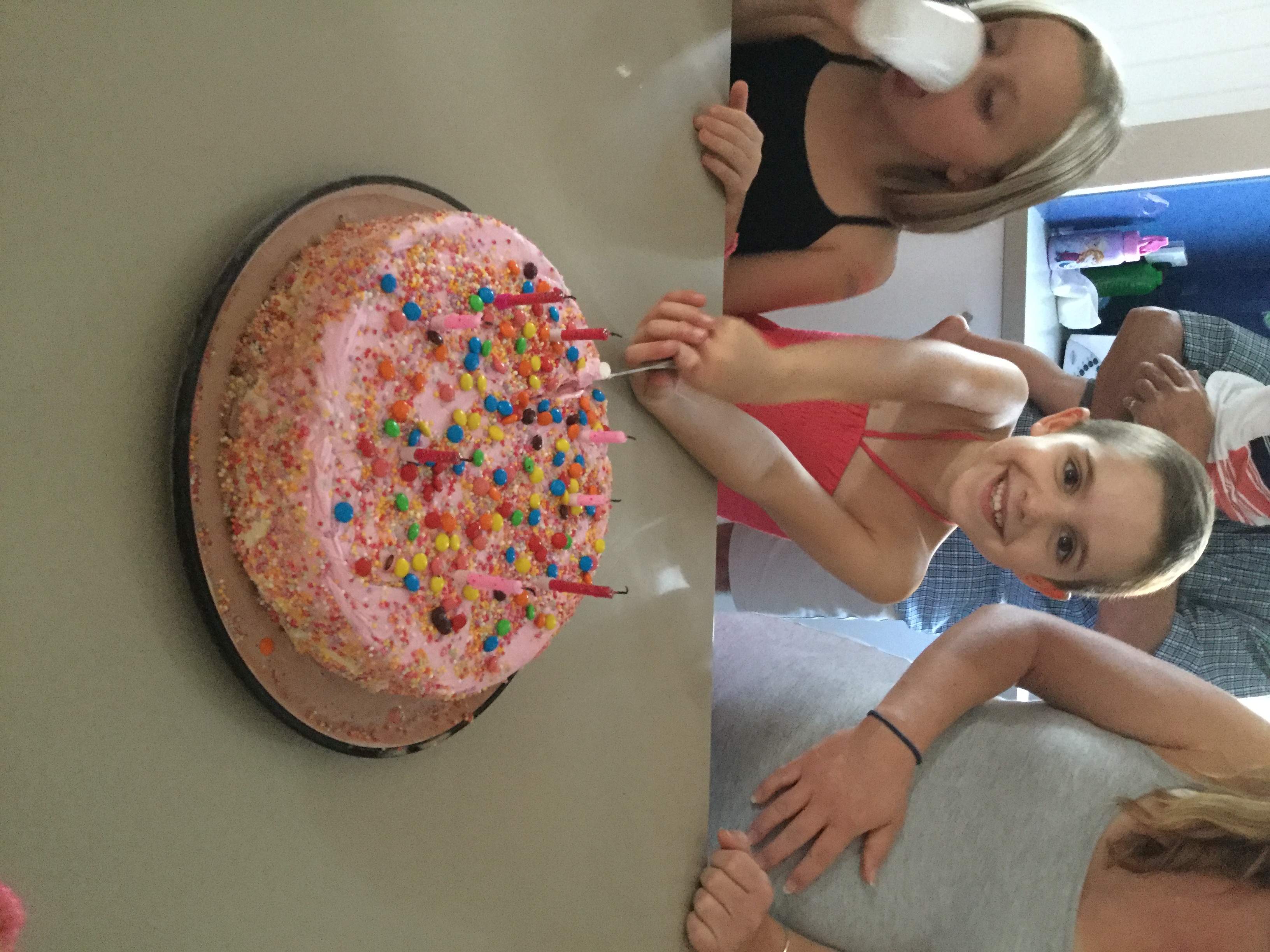
A return to normal life, after months of treatment.
After months of treatment, she went into remission, and life slowly returned back to normal.
Then, just before her 16th birthday, everything changed again.
After weeks of watching Khyla battle a persistent cough, facial swelling, and growing breathlessness, her mum Deb trusted her instincts.
“I just knew something wasn’t right,” Deb says. “You learn to trust that feeling as a parent.”
Khyla was diagnosed with T-cell lymphoblastic lymphoma. Within hours, she was back at SCH.
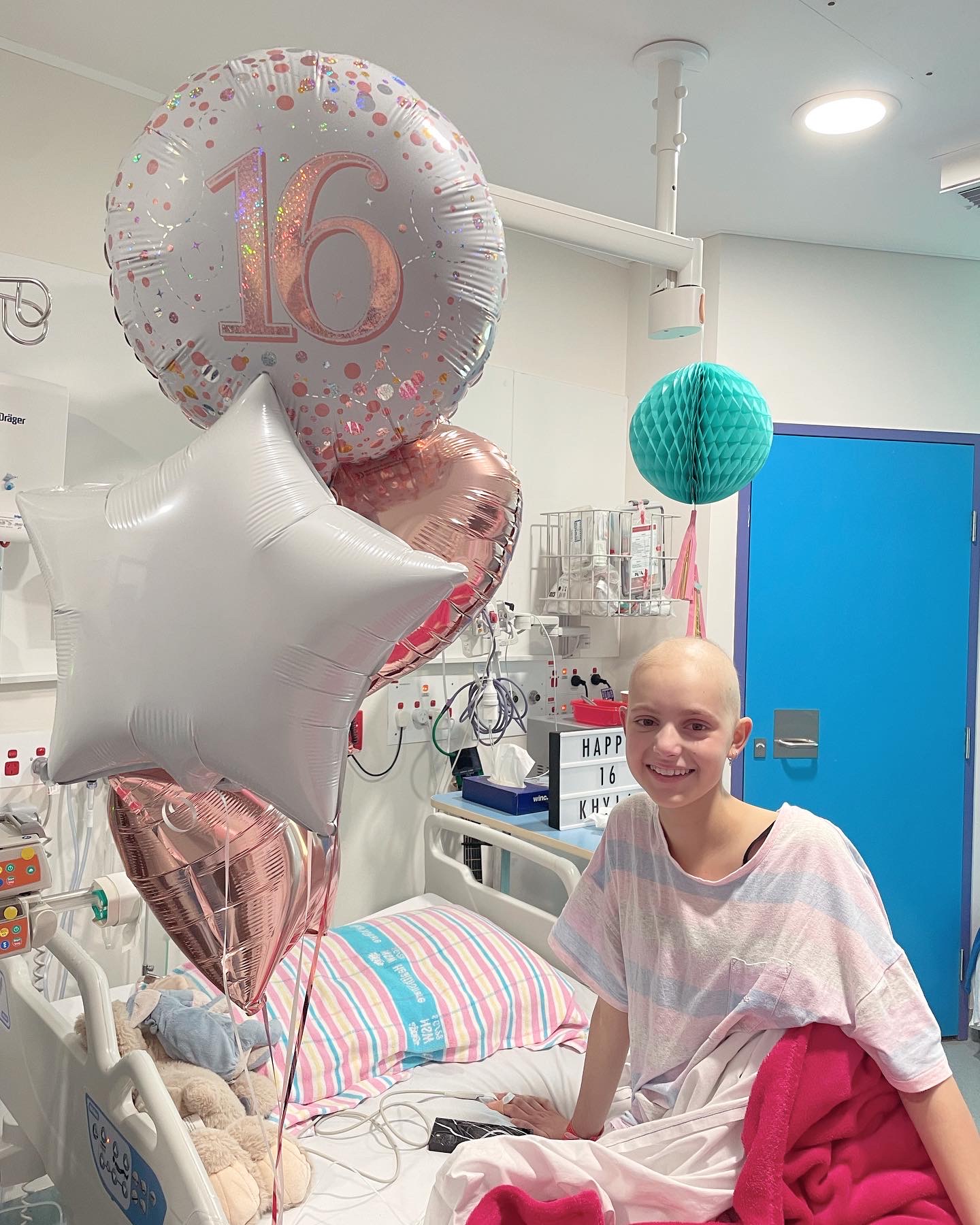
The toughest moments of her treatment.
The intensity of treatment pushed her body to its limits. Her kidneys began to struggle, and she spent weeks in ICU, including time on a ventilator. Too weak to hold her phone or talk with friends, she slept through most of her 16th birthday.
But this time, the family’s experience felt profoundly different.
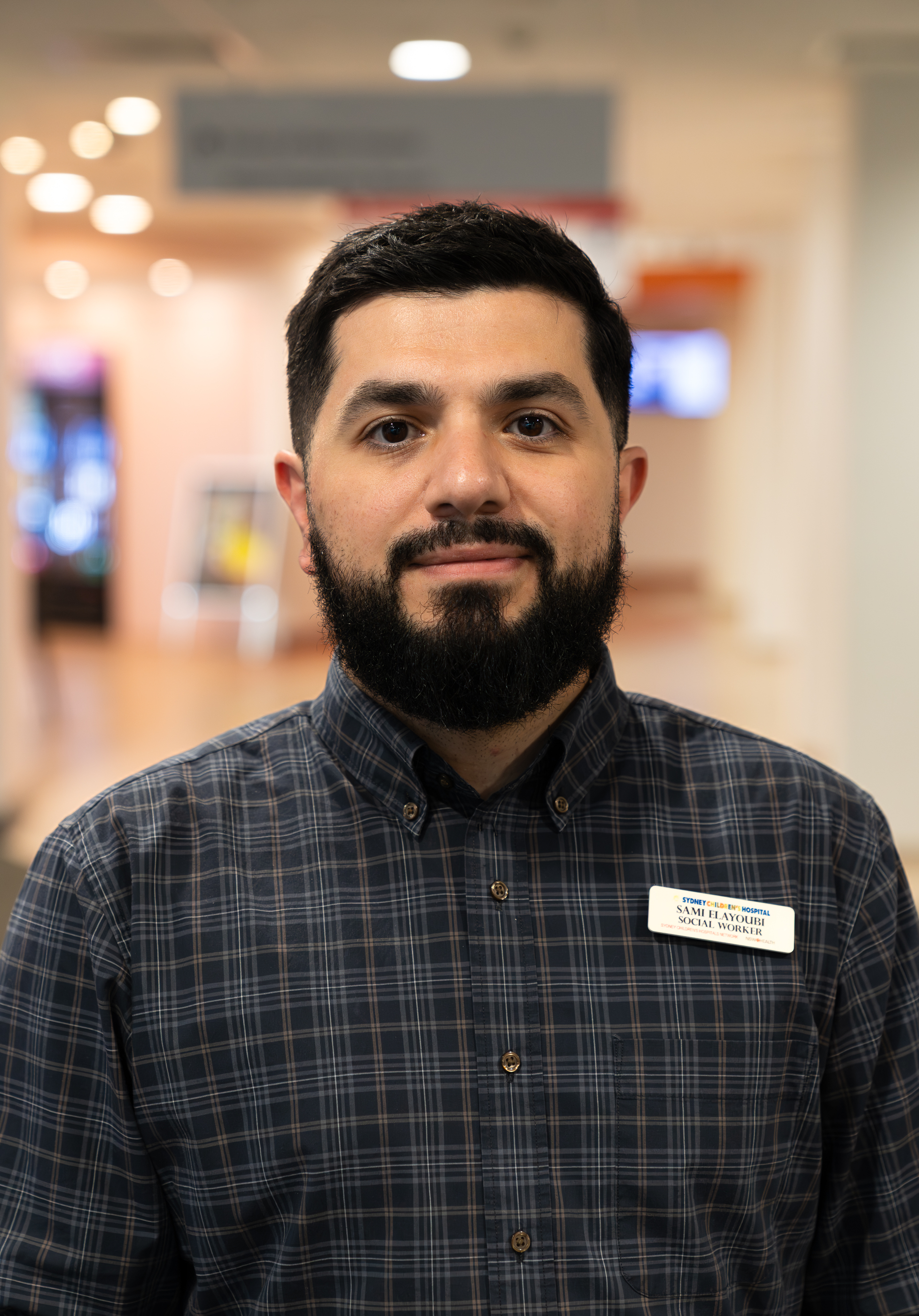
The role of a hospital social worker – having someone beside Khyla's family from the start.
From the moment of diagnosis, they met Social Worker Sami, who became a steady presence.
“Young people have their own questions, their own fears, their own hopes,” Sami says. “Part of my role is helping make sure they’re heard.”
Khyla recalls, “Sami always asked me what I thought. Even when things were really scary, it made me feel like I still had a say.”
“Having someone there who understood what we were going through made such a difference,” Deb says. “The first time around we were just trying to survive each day. This time, we felt like we had someone walking beside us.”
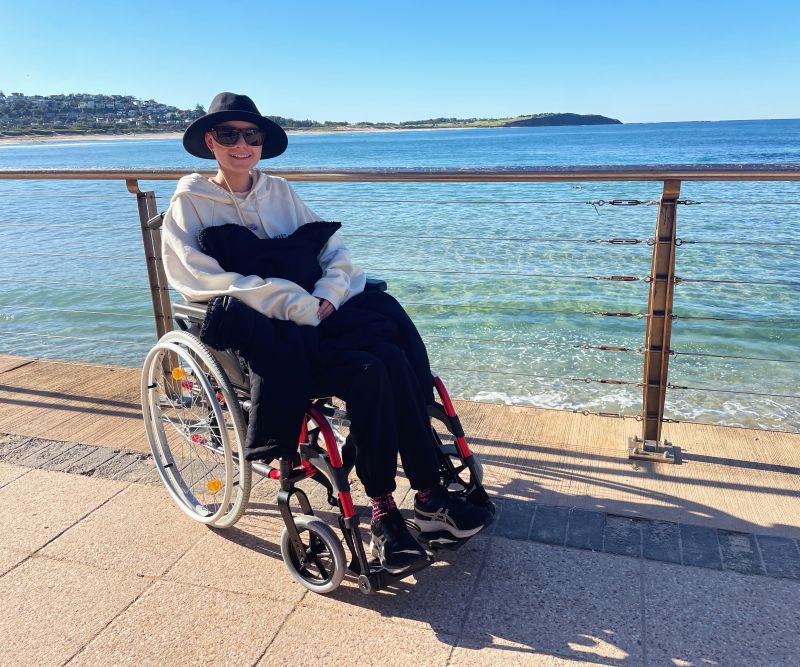
Looking ahead to the future.
Today, Khyla is finishing Year 12.
“After everything, I just want to live my life,” Khyla says.
Why your support matters.
Her story is one of survival. It’s also a story about the invisible support that holds families together during the hardest moments.
Donations to Sydney Children’s Hospitals Foundation support social work positions across the Sydney Children’s Hospitals Network.
By donating to the Sydney Sick Kids Appeal, your support helps ensure more families can access that vital layer of care - because treatment saves lives, and support helps families navigate the journey.