What Are Metabolic Disorders in Children?
Around one in every 6,500 children in Australia is born with a rare metabolic disorder, a group of conditions that affect the body's ability to convert fat, carbohydrates, or protein into energy. For these children, everyday ’healthy’ foods such as salmon, avocado, and even breastmilk, can be toxic. Simple activities like walking to class or climbing stairs can lead to intense, debilitating pain and injury.
With no known cures, treatment is focused on managing symptoms and improving quality of life, and that's where research is critical.
How the Greenlight Program Powers Research
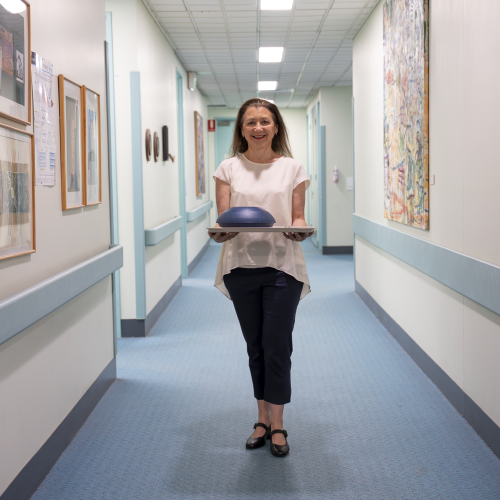
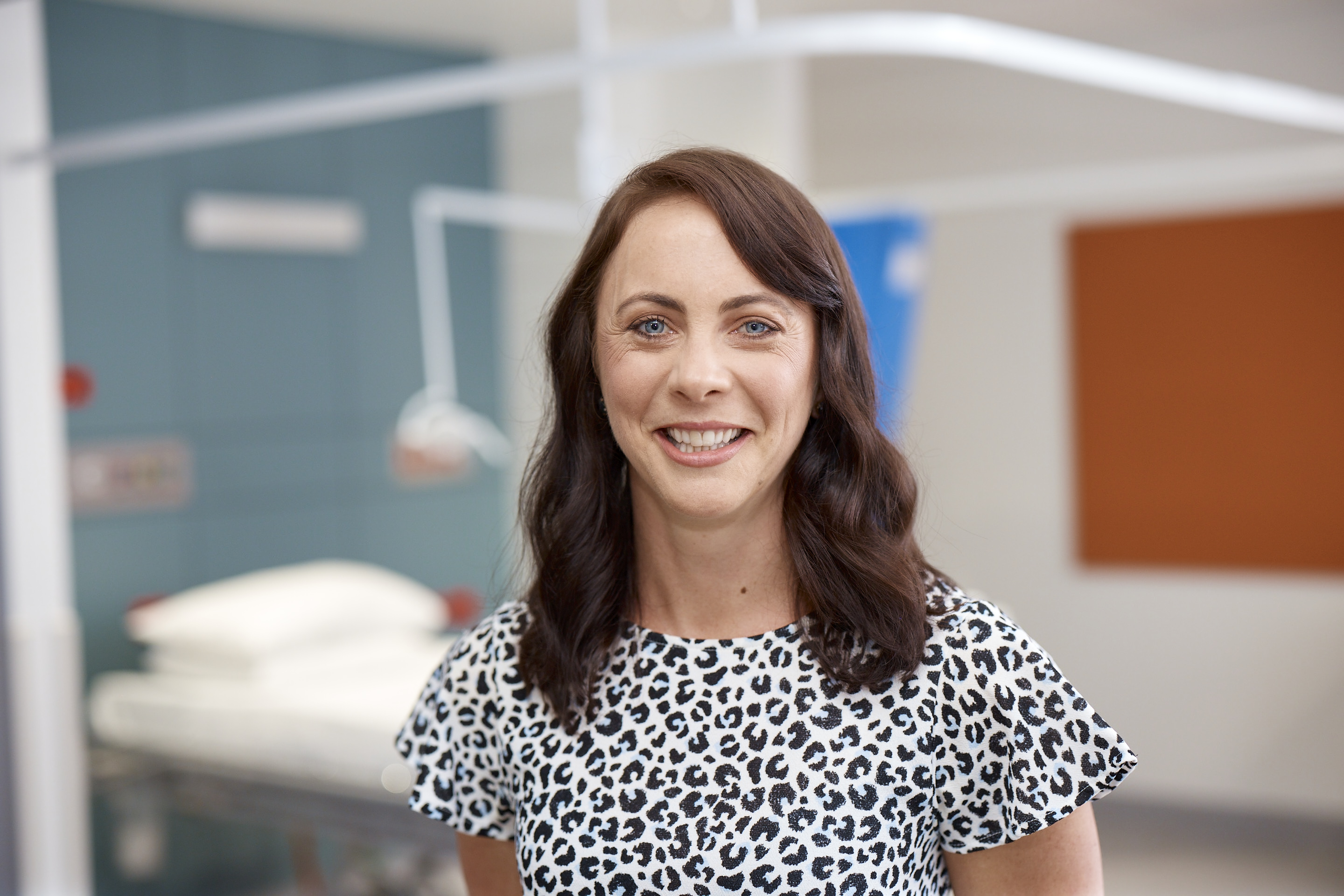
Thanks to philanthropic seed funding, senior metabolic dietitian and PhD candidate Kiera Batten is helping to reshape what care looks like for children with conditions like McArdle syndrome, a rare metabolic condition that impairs the body's ability to use energy during muscle activity. For many of these children, sport and exercise can feel out of reach, and even dangerous.
Research That Improves Quality of Life
Kiera's research is changing that. By investigating the characteristics of McArdle syndrome and the evidence base that guides its treatment, Kiera is helping children and families better understand how to exercise safely and confidently.
She has also demonstrated the feasibility and safety of exercise intervention in children and young adults, with the aim of improving physical function and reduce the risk of future hospital admissions.
As one child shared: “I found out more about my body, how to exercise and get fit and strong.”
“I'm very grateful to SCHF and their generous donors, without whom this research, the benefits to our patients, and my PhD, would not be possible,”
– Kiera Batten, senior metabolic dietitian and PhD candidate
From Vital Funding to Global Impact
Beyond its clinical impact, the seed funding has helped Kiera strengthen her skills as a clinician and opened further career opportunities, including two more grants to further her research. Her innovative work is now attracting attention from national and international research groups. Working with Sydney Children's Hospitals Network's expert metabolic team, Kiera is now also assessing exercise and quality of life in children with long-chain fatty acid disorders, another rare and complex group of conditions.
Looking Ahead: New Models of Care
Ultimately, Kiera hopes her research will inform new clinical practice guidelines for metabolic disorders to improve care and outcomes for children in Australia and beyond.
“I'm very grateful to SCHF and their generous donors, without whom this research, the benefits to our patients, and my PhD, would not be possible,” shares Kiera.
This article is from the Sydney Children’s Hospitals Foundation Impact Report for the 2025 financial year.